Unlock Your Earning Potential: Why Ugandan Nurses Should Work Abroad
Share Article
Table of Contents
What Is A Nurse?
A nurse may refer to a healthcare professional responsible for providing patient care and performing triage. Nurses often collaborate with a team of medical professionals, including physicians and specialists, to ensure comprehensive patient care. Nurses can work in a wide variety of environments, including:
Hospitals
Clinics
Doctors’ offices
Schools
Correctional facilities
Homeless shelters
Rehabilitation centers
Senior care homes
A nurse is a medical professional that provides healthcare services such as providing treatment, planning and delivering care to patients, as well as advising them on any issues regarding their health. Nurses perform a wide range of tasks: diagnosis, treatment, monitoring patients’ progress, and performing advisory roles, among others.
Overview
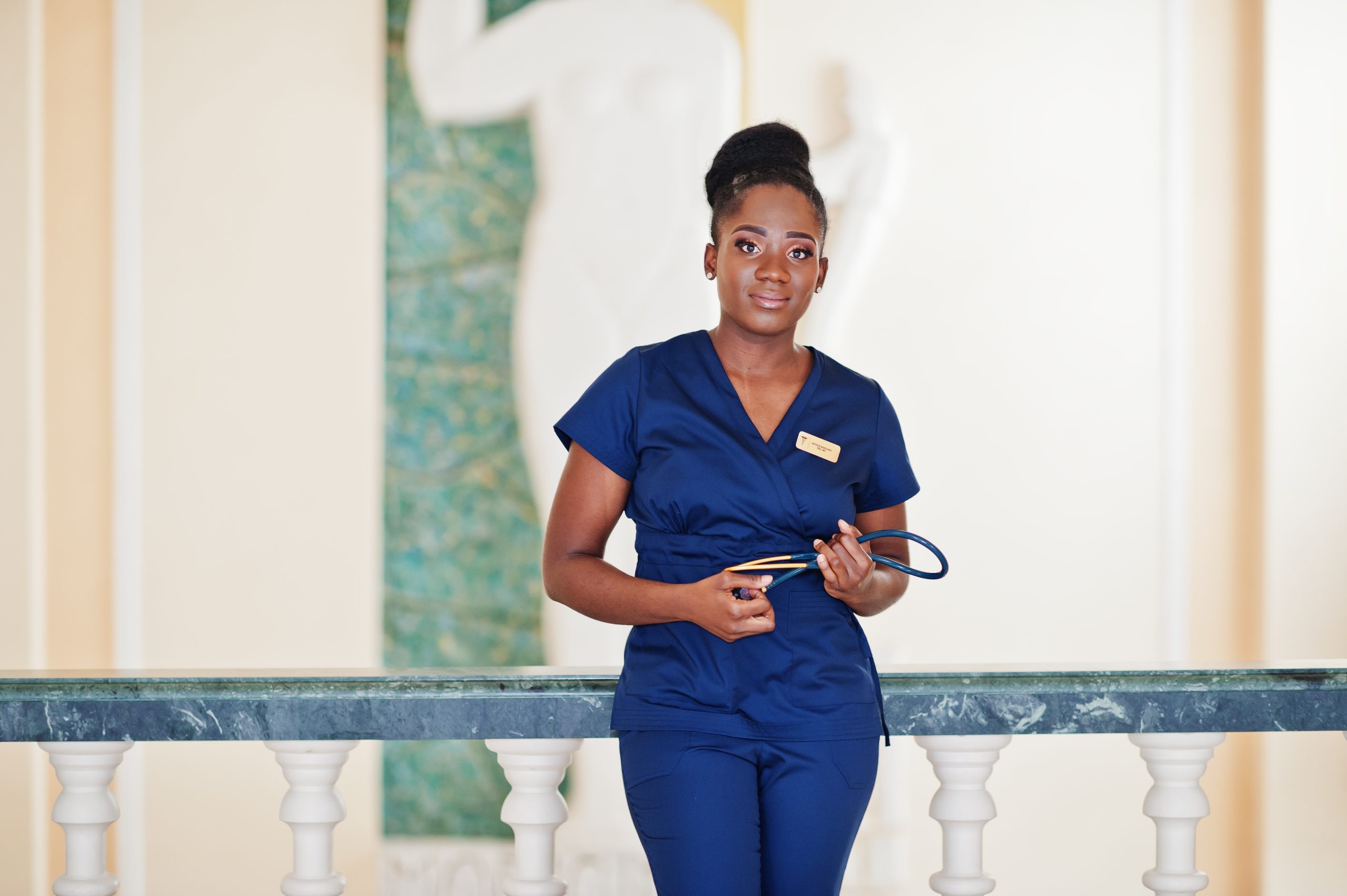
Professional african female doctor at the hospital. Medical healthcare business and doctor service of Africa.
Ugandan nurses are the most preferred overseas partly because of their expertise in executing treatment and care for patients, whether outpatient or inpatient. The need for nurses is on the rise because of the so many clinics, hospitals, patients’ homes, nursing homes, schools in the Middle East, the US, and many other countries abroad. It’s very beneficial to the Ugandan nurses anyway; working in countries overseas as a nurse is one of the best experiences one can have in their medical career. Yes, you get the opportunity to freely learn from other nurses while at the same time earn big, yeah.
Explorer Dubai Ltd. is committed to linking you to the best nursing jobs abroad. And that’s just it; we are your most trusted recruitment agency in Uganda. We are just a call away.
Nurses May Also Hold Different Levels Of Nursing Certification, Including:
Registered nurse (RN): These nurses may assist doctors and other medical professionals by providing hands-on patient care and managing and maintaining medical records.
Nurse practitioner (NP): These nurses often diagnose and treat minor conditions and injuries. They may also provide prescriptions to their patients.
Certified nurse midwife (CNM): These nurses can provide gynecological and obstetrics services for women. They may work in hospitals, birthing clinics or private residences.
Clinical nurse specialist (CNS): These nurses can treat both mental and physical conditions. They often work in clinics, hospitals, senior care homes, community health centers or independent practices.
Certified registered nurse anesthetist (CRNA): These nurses can administer sedation treatments to patients to alleviate pain or prepare them for surgery.
10 Duties Of A Nurse
A nurse’s duties can vary based on their workplace, licenses, and experience level. Typically, here are 10 duties of a nurse:
Conduct physical examinations
Nurses often perform a physical exam at the start of a patient’s visit to assess overall health. This can include checking temperature, weight, heartbeat, and blood pressure, as well as testing reflexes and examining the eyes, ears, nose, and throat. The exam helps provide an update on the patient’s health and opens discussions about health goals and concerns. Nurses may also pay attention to non-verbal cues, which can help identify underlying health issues.
Perform diagnostic tests
Nurses often perform various diagnostic tests, such as checking vitals and collecting tissue, blood, stool, or urine samples for analysis. Nurses may also analyze results and share their findings with the medical team to ensure proper patient care.
Attention to detail can be critical, as accurate testing helps diagnose patients and create effective treatment plans.
Record medical history and symptoms
Nurses may be responsible for recording and maintaining accurate patient health records to ensure proper treatment. This typically begins with gathering details about a patient’s medical history, including past diagnoses, surgeries, current medications, allergies, and family medical information.
Nurses also document any symptoms and vitals during the visit. If a patient receives a new diagnosis, medication, or treatment plan, nurses update their records accordingly. Keeping thorough and accurate records can be critical to providing optimal care for patients.
Administer medications and treatments
Nurses can administer medications and treatments to patients under a physician’s order and may help develop treatment plans. Specialized nurses, like nurse practitioners, may prescribe medications independently.
Nurses may also assist with tasks like cleaning wounds, changing bandages, and inserting catheters. Some nurses can support doctors with advanced procedures and provide emergency care for critical patients. Ensuring accurate medication records and maintaining IV lines are key responsibilities to ensure patients receive proper treatment.
Communicate and collaborate with teams for patient care
Nurses play a significant role in gathering information from patients and relaying it to their medical team. They closely monitor and observe patients to document and communicate symptoms and relevant details that may influence diagnoses or treatment plans.
This critical responsibility typically requires nurses to possess strong verbal and written communication skills for effective collaboration with physicians and other healthcare professionals. Clear and concise communication may also ensure that patients and their families fully understand the information they receive.
Provide support and advice to patients
Nurses play an important role in ensuring that patients feel cared for, listened to, and understood, particularly when delivering difficult medical news. Patients often turn to nurses for support and guidance as they navigate their diagnoses and determine next steps.
By demonstrating empathy, nurses can offer comfort and direction during these challenging times, equipping patients with coping strategies and resources for both inpatient and outpatient care. In addition, bedside nurses may provide support with bedside care tasks, such as helping patients bathe and maintain hygiene, while also offering emotional support.
Operate and maintain medical equipment and supplies
Nurses utilize a range of diagnostic tools to provide patient care, including stethoscopes, glucometers, pulse oximeters, thermometers, and blood pressure monitors. Depending on their workplace and training, nurses may also operate specialized equipment such as intravenous infusion pumps, ventilation systems, and wound drainage devices. A strong foundation in technology and mathematics may enhance their ability to effectively use this medical equipment and analyze results.
Experienced nurses may take on additional responsibilities, such as inventory management and ordering supplies, with senior nurses often supervising entire departments. Proper organization and timely restocking of supplies are key to ensuring that the medical team has the necessary resources to deliver quality patient care.
Educate patients about how to manage illnesses
Nurses play a vital role in educating patients about medical conditions and providing guidance on managing symptoms. This may include explaining necessary medications, scheduling follow-up appointments, and outlining rehabilitative exercises or practices.
Nurses may also communicate post-treatment care requirements to patients’ families or caregivers, offering recommendations for diet, nutrition, exercise routines, and physical therapy. In addition, some nurses engage in proactive health education by speaking at seminars, assisting with blood drives, or volunteering at health screening and immunization clinics.
Advocate for the health and well-being of patients
Nurses may serve as advocates for their patients’ health and well-being, ensuring they receive proper care and safety. This advocacy can include translating complex medical information and diagnoses from doctors, helping patients understand critical details.
Nurses tend to encourage patients to ask questions and connect them with resources at facilities better suited to their needs. In addition, they actively listen to patient concerns, respect their wishes, and communicate those preferences with family members and other healthcare staff.
Train and educate staff
In addition to their clinical responsibilities, experienced nurses often play train and supervise newer members of the medical team, such as practical nurses and nursing aides. Some nurses may also collaborate with local colleges to offer training courses for nursing students or provide continuing education programs for nurses seeking career advancement. This mentorship helps ensure a high standard of care within the healthcare setting.
What Qualities Do Successful Nurses Possess Abroad?
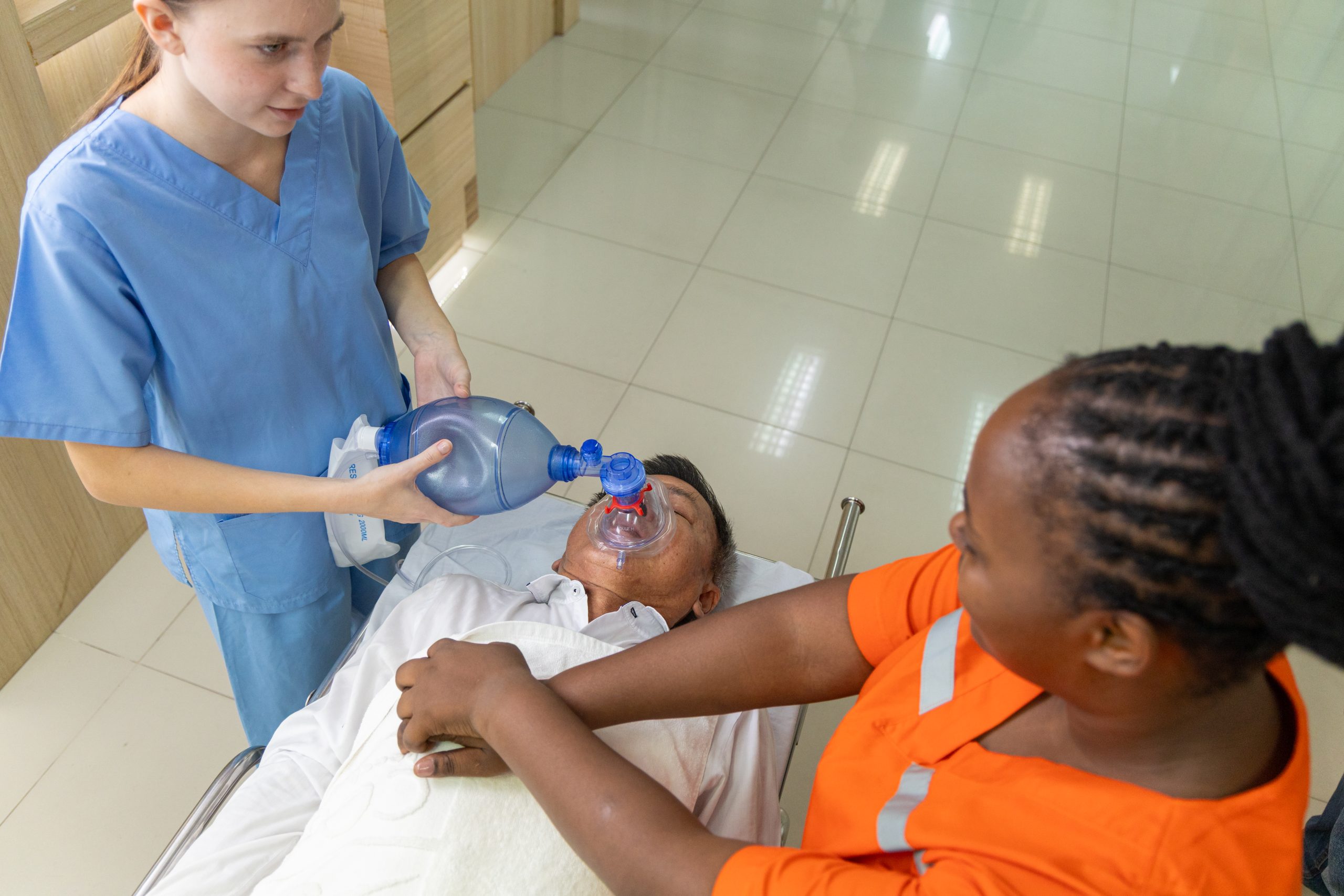
Close-up of unconscious man on stretcher receiving manual ventilation from medical staff using an oxygen mask in hospital hallway.
A successful Ugandan nurse is extraordinarily good with following attributes:
Good knowledge of diagnosis and treatment of diseases
Exceptional Uganda nurses pay attention to detail when diagnosing, treating and monitoring patients. They are on high demand abroad because of their keenness while on duty. They are also skilled at operating equipment like microscopes, thermometers, etc.
2. Highly professional
They also are good communicators with excellent interpersonal skills. Ugandan nurses are polite and professional when speaking to patients. Also, there is no insubordination among our nurses, they are highly respectful people which is why most hospitals, clinics, and other healthcare settings in other countries are recruiting Ugandan nurses every year.
3. Good time managers
Nurses, good ones of course, are also highly sought abroad nowadays because of their punctuality. They follow schedules and execute their duties in time as assigned to them by the hospital or clinic management. They respond to emergencies too.
4. Good record keepers
They are good at record keeping. Yes, they keep records of patients’ particulars. These could be biodata of the patients, the history of their diseases as well as laboratory test results. Our nurses also keep records of the patients’ treatment and their dates of reporting for check-up.
5. Trustworthy and reliable
Our nurses are professionally reliable. They keep patients’ particulars confidential. So, any patient can trust information about them is between them and the medical practitioners (nurses). This is very important; actually, most patients prefer that their medical conditions are not disclosed to outsiders without their consent.
6. Flexible and problem solvers
They are flexible and good problem solvers. Yes, exceptional Ugandan nurses have the ability to adjust in the execution of their service basing on the prevailing circumstances. They are good readers and researchers, so they are always curious to learn more about medical conditions and drugs.
7. Good personal hygiene
They practice good personal hygiene and smartness. Their dress code is also in line with the acceptable dress code for medics in the host countries. In most cases, they will always be clad in immaculate uniforms, depending on the design of the hospital or clinic management.
What You Need To Be A Nurse If You Want To Work Abroad
Ugandan nurses, whether registered or enrolled, must go through formal training in any of the following fields. This might be at certificate, diploma, or even degree level (Bachelor of Science in Nursing). The fields include: Comprehensive Nursing, Enrolled Comprehensive Nursing, Paediatric Nursing, Mental Health Nursing, Medical Education, Public Health Nursing, Nursing, and community Health Nursing
In Uganda, you can enroll for a certificate or diploma in the above courses at the various nursing schools such as Masaka School of Comprehensive Nursing, Arua School of Nursing, Butabika School of Psychiatric Nursing, Jinja School of Nursing and Midwifery, Kabale School of Enrolled Comprehensive Nursing, Lira School of Comprehensive Nursing, Mulago Health Tutor’s College, Public Health Nurses College, Mulago School of Nursing and Midwifery, Soroti School of Comprehensive Nursing, Fort Portal International Nurses Training School, Kagando School of Nursing and Midwifery, and Rakai Community Nursing School, among others. For Bachelor of Science in Nursing, you can enroll at Victoria University, and other universities that teach nursing. The following are qualifications:
You must have a diploma or degree
You require at least one year experience of working as a nurse.
You must be 21 years of age and above.
You must be ready to undergo training, this calls for continuous learning about nursing and British work ethics.
You have to be a good listener with wonderful communication skills.
You must be open-minded and ready to cooperate with clients from a wide range of backgrounds. Being multilingual (able to speak various languages) is of greater advantage.
You have to be ready for extended periods of works.
You have to be ready to work around extra hours, including weekends, and holidays. These could be very early and/or late evening hours.
You must be courteous, well-mannered and engaging in personality.
You must be a team player, energised by working for an efficient team in an environment which moves fast, very fast.
Frequently Asked Questions
Can nurses work remotely?
Remote nursing opportunities are becoming more common, especially with advancements in telehealth. With more opportunities like telehealth, nurses can provide virtual patient care, answer medical inquiries through telemedicine platforms, conduct remote monitoring and offer healthcare education online. Remote nursing also allows flexibility and improves access to healthcare services for patients across the world.
Can nurses specialize in a particular area of medicine?
Registered nurses can also concentrate their careers in a specific medical field. Specializing allows nurses to develop advanced skills and knowledge to support medical teams in the treatment and care of patients. Some common specializations include pediatric nursing, critical care nursing, psychiatric nursing, oncology nursing and geriatric nursing.
What qualities make a good nurse?
Nursing requires a range of characteristics, and people from many different backgrounds pursue this career. Some qualities that are most important for a nurse to have include empathy and compassion, attention to detail, critical thinking and problem-solving abilities, resilience and teamwork. Nurses also often have a lifelong dedication to learning and staying up-to-date with medical advancements.
What Are The Benefits of A Ugandan Nurse Working Abroad?
Skill Enhancement: Working abroad exposes African nurse to advanced technology and diverse working methods in the medical industry. This enhances their skills and broadens their perspective.
Example: African nurse employed in more technologically advanced countries like the USA or the UK will learn to use sophisticated medical techniques, enhancing their skills and making them more competitive.
Improved Career Prospects: Working abroad can significantly boost a nurse’s career prospect as it is a testament to their ability to adapt to different working conditions and cultures.
Example: An African nurse who has worked in major developed countries likeUAE, UK or Singapore is likely to have better career prospects.
Higher Wages: Generally, working abroad, especially in developed countries, comes with improved wages compared to what Nurse would earn in their home country.
Example: A nurse from Kenya may earn more working in a country like Australia, enabling them to support their families back home better.
Exposure to Different Cultures: Working abroad provides an opportunity for African nurse to interact with people from different cultures, enhancing their social skills and understanding of other cultures.
Example: A nurse from Nigeria working in Japan will learn about the Japanese culture, language, and way of life.
Personal Growth:The experience of living and working in a foreign country can lead to significant personal growth. It can build resilience, independence, and adaptability.
Example: Ethiopian nurse in Canada would have to adapt to a different climate, lifestyle, and work environment, fostering personal growth.
Networking Opportunities: Working abroad can expand the nurse’s professional network, opening doors to future career opportunities.
Example: A nurse from Uganda in Dubai could meet professionals in the nurse industry from around the world, creating valuable connections.
Better Living Standards: Often, working abroad can provide better living conditions, including improved infrastructure, healthcare, and education.
Example: A worker from Ghana working in a country like Germany could Airport access better healthcare services for them and their families.
Increased Job Satisfaction: The chance to see the world, experience new cultures, and meet new people can increase job satisfaction for African Nurse.
What Makes A Country A Good Destination For Uganda Nurse?
Ever wondered what makes a country a good destination for migrant workers? Well, you’re in the right Nurse! We’re diving into the five crucial criteria that Uganda uses to evaluate countries for its migrant workers. Let’s get started!
Respecting Workers’ Rights
Imagine you’re planting a tree. You want the soil to be rich and nurturing, right? Well, a country’s laws are like that soil for migrant workers.
The first criterion is simple but crucial: The country’s laws must respect workers’ rights. This means:
Fair working hours
Safe working conditions
Protection against discrimination
Countries with strong labour laws provide a solid foundation for migrant workers to thrive.
Known National Brands as Employers
Picture this: You’re in a new city, looking for a place to eat. You’re more likely to trust a well-known restaurant chain, aren’t you?
The second criterion works the same way: The employer must be a known national brand. Why? Because:
They’re more likely to follow regulations
They have reputations to maintain
It’s easier to verify their legitimacy
This helps ensure that you’re not walking into an uncertain work
Challenges of Working Abroad. Paradise or Pitfall?
Working in a foreign country can be an incredible adventure, but it’s not all Instagram-worthy sunsets and exotic cuisine. There are some hurdles you’ll need to overcome. But don’t worry – we’ve got you covered with the inside scoop on how to these challenges head-on.
Let’s break down the top six challenges you might encounter:
Homesickness: The Emotional Rollercoaster
First up, let’s talk about homesickness. It’s real, and it can hit hard. You might miss your family, friends, and even that corner coffee shop where the Nurse knows your order by heart.
But here’s the good news: Thanks to modern technology, staying connected is easier than ever. Calls, social media, and messaging apps can help bridge the gap. It’s not the same as being there, but it can make a world of difference.
Language Barriers: Lost in Translation?
Next on our list: language barriers. Unless you’re a polyglot, chances are you’ll encounter some communication challenges.
But don’t panic! Remember, it’s a two-way street. Your colleagues and neighbours are probably just as eager to learn your language as you are to learn theirs. Embrace the opportunity to expand your linguistic horizons. Who knows? You might even pick up some cool slang along the way!
Recruitment Fees: The Upfront Investment
Now, let’s talk money. Specifically, the costs involved in landing that dream job abroad. Recruitment fees can be hefty, and they’re often a significant hurdle for many aspiring international workers.
Here’s where we come in: We’re working hard to make this process more affordable. By streamlining our services and cutting unnecessary costs, we’re aiming to reduce those initial expenses. Remember, it’s an investment in your future!
Worker Mistreatment: The Rare but Real Risk
This next one’s a bit heavy, but it’s important to address. Worker mistreatment is a concern for many considering work abroad. But let me reassure you – it’s extremely rare in legitimate job placements.
Our commitment to you: We have robust mechanisms in place to follow up on any issues that might arise. Your safety and well-being are our top priorities. We’re here to support you every step of the way.
Fake Recruitment Companies: Spotting the Red Flags
Speaking of legitimate jobs, let’s talk about a real danger: fake recruitment companies. They’re out there, and they can cause serious problems.
But here’s the silver lining: If you’re reading this article, you’re already on the right track! We’re committed to providing nurses information and legitimate opportunities. Always do your research, and if something seems too good to be true, it probably is.
Misuse and poor investments of salary savings: The misplaced excitement
Many international workers receive regular income for the first time but lack financial management experience. They often entrust their earnings to hometown confidants and relatives who waste their savings through direct theft or ill-conceived business schemes. Or simply through emotional and impulse investments
Please note, everyone: We provide essential financial education to all our international workers. We discuss previous unfortunate incidents we’ve encountered to prevent you from becoming another casualty.
Culture Shock: When Novel Surroundings Meet Your Familiar Self
After living a structured life since childhood, you must now adapt to unfamiliar people, customs, schedules and work place norms. Most individuals adapt remarkably quickly.
Our support to you: We coach and psychologically prepare you for these inevitable changes. Remember, just as other cultures seem unusual to you initially, your customs appear equally foreign to others. This creates opportunities for mutual understanding and connection, as others share similar curiosity. The structured work environment offers chances for additional earnings through overtime and skill development.
5. Critical Don’ts for Migrant Workers: Protect Your Future Abroad!
Hey there, future globe-trotters and international job seekers! Today, we’re diving into a crucial topic that could make or break your experience working abroad. Whether you’re dreaming of new horizons or already parking your bags, thisarticleis your essential guide to avoiding common pitfalls as a migrant worker.
Let’s cut to the chase and explore the top five “don’ts” that every migrant worker needs to know. These aren’t just guidelines; they’re lifelines to keep you safe, successful, and on the right side of the law in your new home.
Don’t Rush Into Marriage Abroad
First up, let’s talk about matters of the heart. It might sound romantic to tie the knot in a foreign land, but hold your horses!
Remember why you’re there – to work and build a better future. Rushing into marriage can complicate your visa status, divide your focus, and potentially lead to heartache. Stay focused on your goals, and let love bloom naturally if it’s meant to be.
Don’t Abandon Your Job
Feeling overwhelmed or unhappy with your work? It’s tempting to just walk away, but don’t even think about it!
Running away from your job can have serious consequences. You could face:
Imprisonment
Deportation
A permanent ban from the country
If you’re facing issues, seek help through proper channels. Your embassy or local migrant worker support groups can be lifelines in tough times.
Steer Clear of Criminal activities
This one’s a no-brainer, but it bears repeating: crime doesn’t pay, especially abroad!
The laws in your host country work, and they often work fast. Getting involved in any illegal Airport activities can land you in serious trouble. Remember, you’re a guest in another country – respect their rules and keep your record clean.
Don’t Slack Off
You’ve landed the job, congrats! But now’s not the time to kick back and relax. Laziness is a luxury you can’t afford.
Your employer expects nothing less than your best effort. slacking off could lead to:
Job loss
Visa cancellation
A tarnished reputation
Stay motivated and give it your all. Your hard work will pay off in the long run.
Keep Your Excitement in Check
Last but not least, don’t let the thrill of a new country and a steady pay check go to your head. Overspending is a silent career killer.
It’s easy to get carried away with shopping, dining out, or sending money home. But remember, financial responsibility is key to your long-term success. Budget wisely and save for your future.
There you have it, folks – the five crucial “don’ts” for every migrant worker. By avoiding these pitfalls, you’re setting yourself up for a successful and rewarding experience abroad.
Remember, your journey as a migrant worker is about growth, opportunity, and building a better future. Stay focused, stay legal, and stay awesome!
Why Choose Explorer Dubai Ltd for Your Nurse Dream Job Abroad?
Are you a job seeker looking for a foreign reliable, reputable employer? Look no further! Explorer Dubai Ltd is your gateway to a world of exceptional employers.
For years, we’ve been the go-to experts in connecting foreign employers with top-notch African workers. But why should you choose us? Let’s dive in!
Unmatched Experience
Our team boasts years of successful placements of nurses in various industries. We understand the unique challenges of international recruitment and have the expertise to navigate them seamlessly.
Cost-Effective Solutions
In today’s competitive market, every penny counts. That’s why we offer a hassle-free, budget-friendly service that doesn’t compromise on quality. We help you find the perfect job without breaking the bank.
Perfect Match Guarantee
We don’t just fill positions; we create perfect partnerships. Our dedicated team works tirelessly to ensure the best fit between your talent and the available job. It’s like matchmaking, but for your business!
Proven Track Record
Don’t just take our word for it. Our long list of successful placements speaks for itself. We’ve helped countless foreign businesses thrive with the right African talent.
Personal Touch, Professional Service
At Explorer Dubai Ltd, you’re not just another client. We offer a personalized, professional service tailored to your unique requirements. Think of us as your personal recruitment concierge!
Competitive Edge
In a world where talent is the ultimate differentiator, we give you the competitive edge. Our rates are unbeatable, ensuring you get top-tier job without top-tier prices.
Reputation Matters
We’ve built our name on trust, reliability, and results. When you choose Explorer Dubai Ltd, you’re choosing a partner with an impeccable reputation in the industry.
Embarking on your journey to secure your ideal overseas employment is as straightforward as 1-2-3 with our three-phase approach:
The Initial Phase
Arrange your complimentary consultation appointment at the earliest convenience! Alternatively, feel free to reach out to us at any time, or Converse with us on WhatsApp, or Simply Schedule online. We promise a prompt reply, but if circumstances prevent this, we will revert within a twelve-hour window. Our contacts are below.
The Intermediate Phase
After you’ve selected your preferred job, you’ll be shortlisted and then proceed to your interview, which can be conducted either in-person or virtually. Just apply online or chat live or contact us on our socials like WhatsApp or Facebook. We shall call you back!
The Concluding Phase
We’ll handle all the visa procedures and facilitate your journey towards your dream job overseas.
Call:
WhatsApp:
Apply now:
CONCLUSION
As we explore the myriad advantages of pursuing new career opportunities, the promise of higher wages stands out as a transformative benefit. This financial uplift not only enhances your quality of life but also opens doors to personal growth and networking opportunities that can enrich your professional journey. Embracing diverse cultural experiences can further broaden your horizons, leading to improved job satisfaction and career prospects.
Now is the time to take nurse job skills overseas—consider consulting career advisors who can guide you in navigating these exciting pathways. What steps will you take today to invest in your future? The journey towards a fulfilling career begins with a single decision.
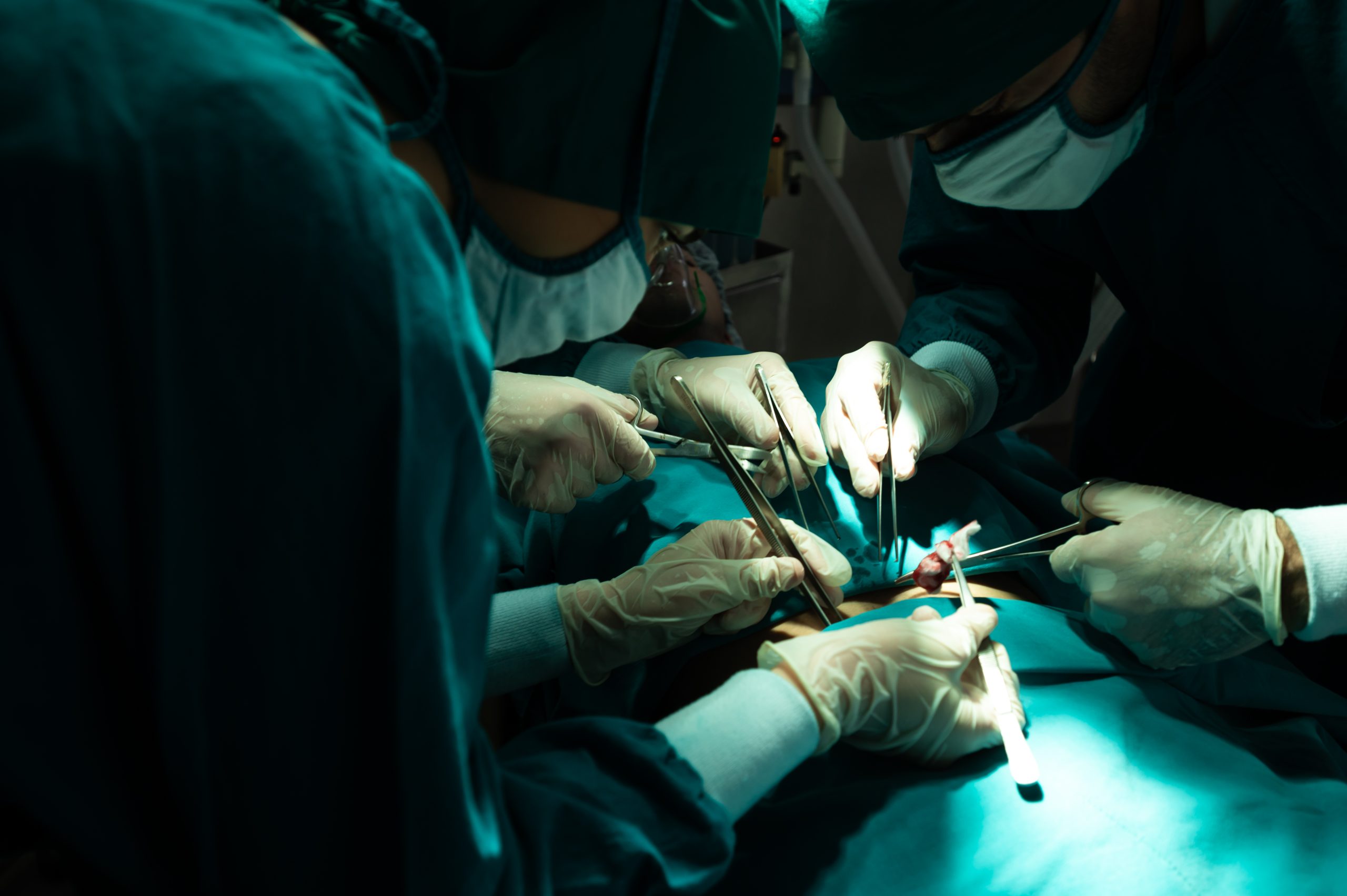
Share Article Table of Contents Who Is A Medical Doctor? In essence, a medical doctor is a qualified healthcare professional who treats individuals suffering from
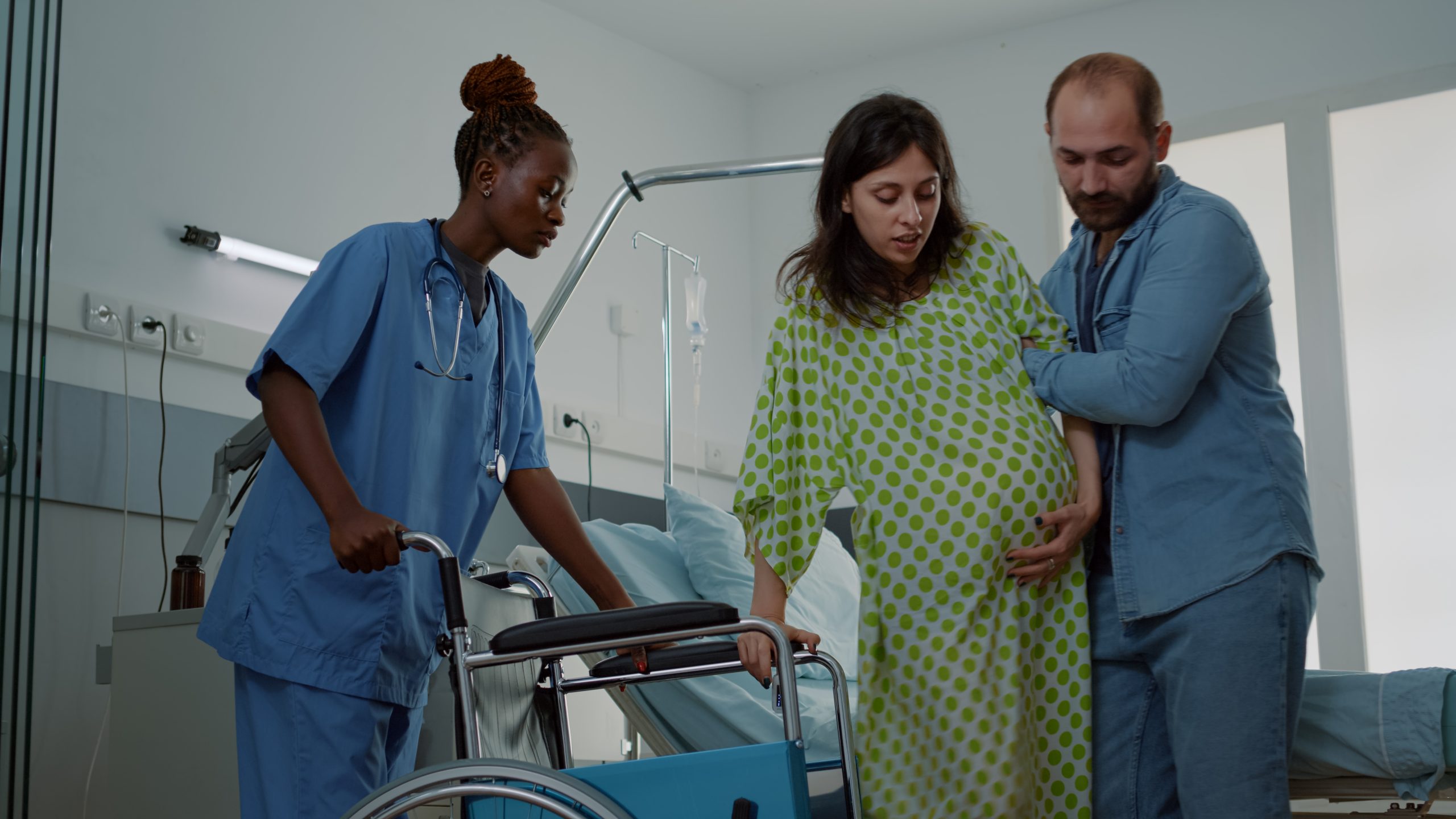
Midwives are healthcare specialists who provide comprehensive care during pregnancy, childbirth and the postnatal period. They offer essential support services, create detailed birth plans, deliver crucial health guidance and provide emergency assistance when required.
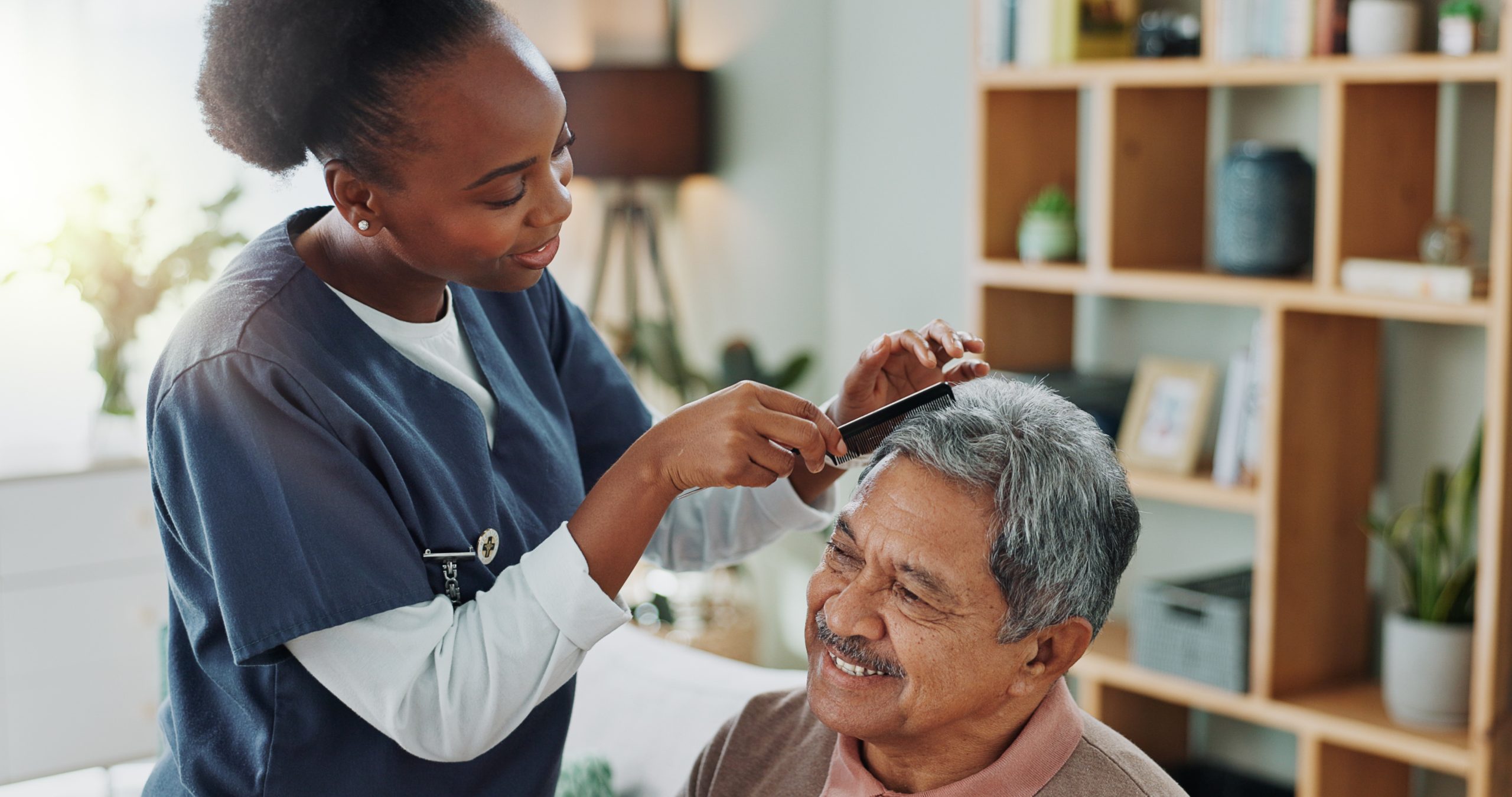
A caregiver, also known as a career, is a professional who provides essential support and assistance to individuals requiring help with their daily activities, particularly those affected by ageing, disabilities, illnesses, or cognitive challenges.
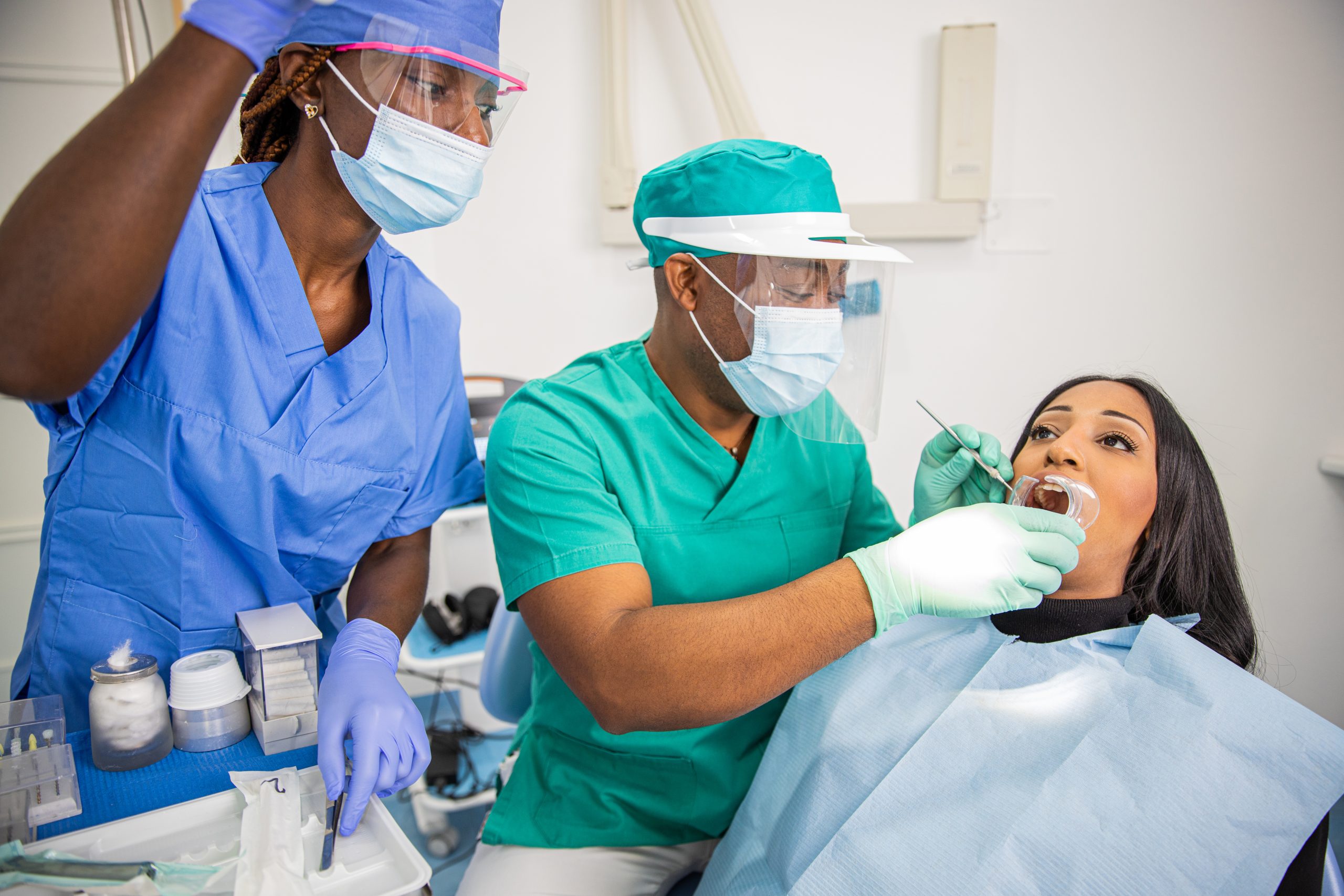
Dentists primarily operate from dental surgeries or medical centres, delivering services ranging from routine check-ups to complex procedures such as root canal treatments and dental fillings.
 Ugandan nurses, whether registered or enrolled, must go through formal training in any of the following fields. This might be at certificate, diploma, or even degree level (Bachelor of Science in Nursing). The fields include: Comprehensive Nursing, Enrolled Comprehensive Nursing, Paediatric Nursing, Mental Health Nursing, Medical Education, Public Health Nursing, Nursing, and community Health Nursing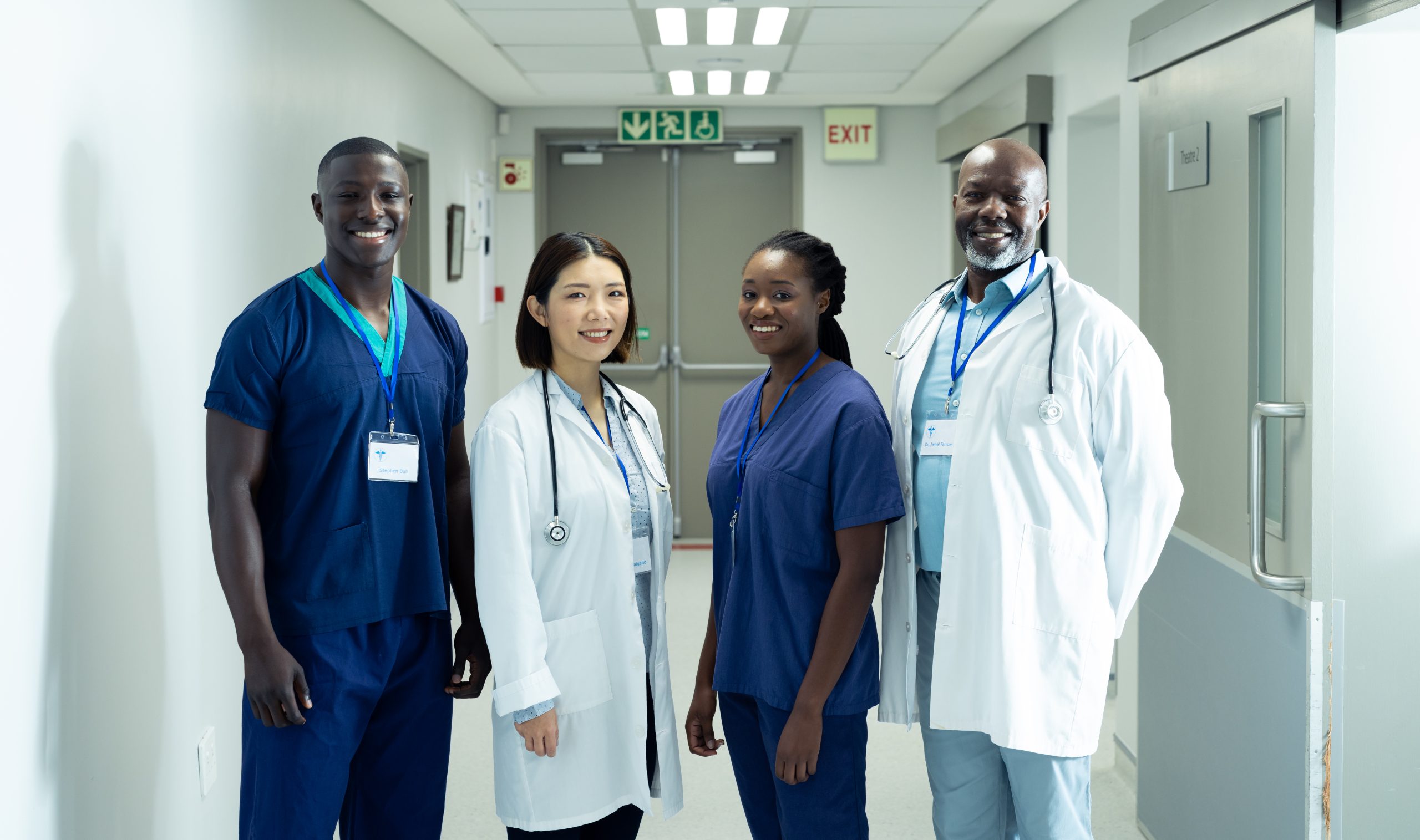
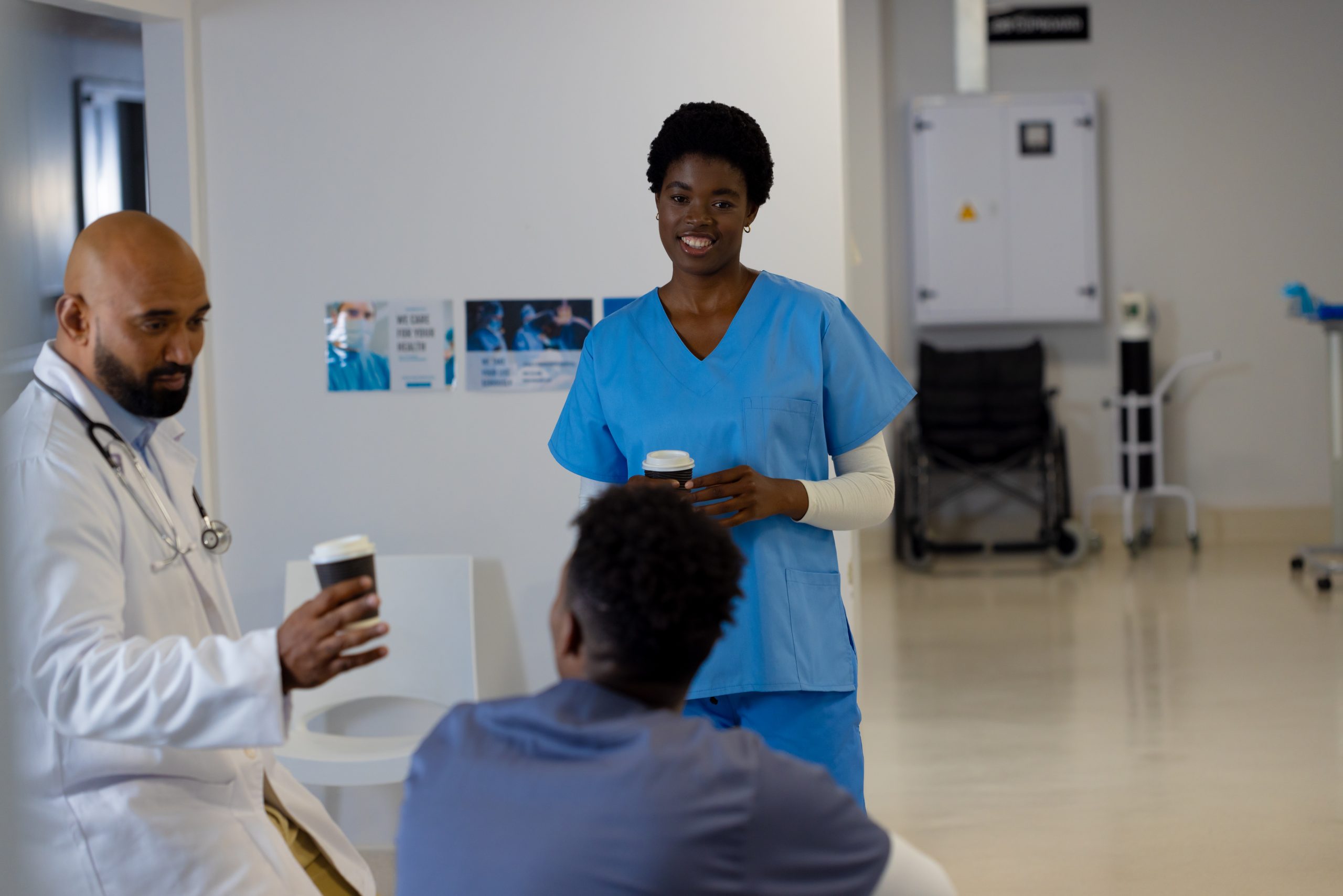 Hey there, future globe-trotters and international job seekers!